
Wild Pigs in California Are Turning Neon Blue on the Inside, Officials Warn
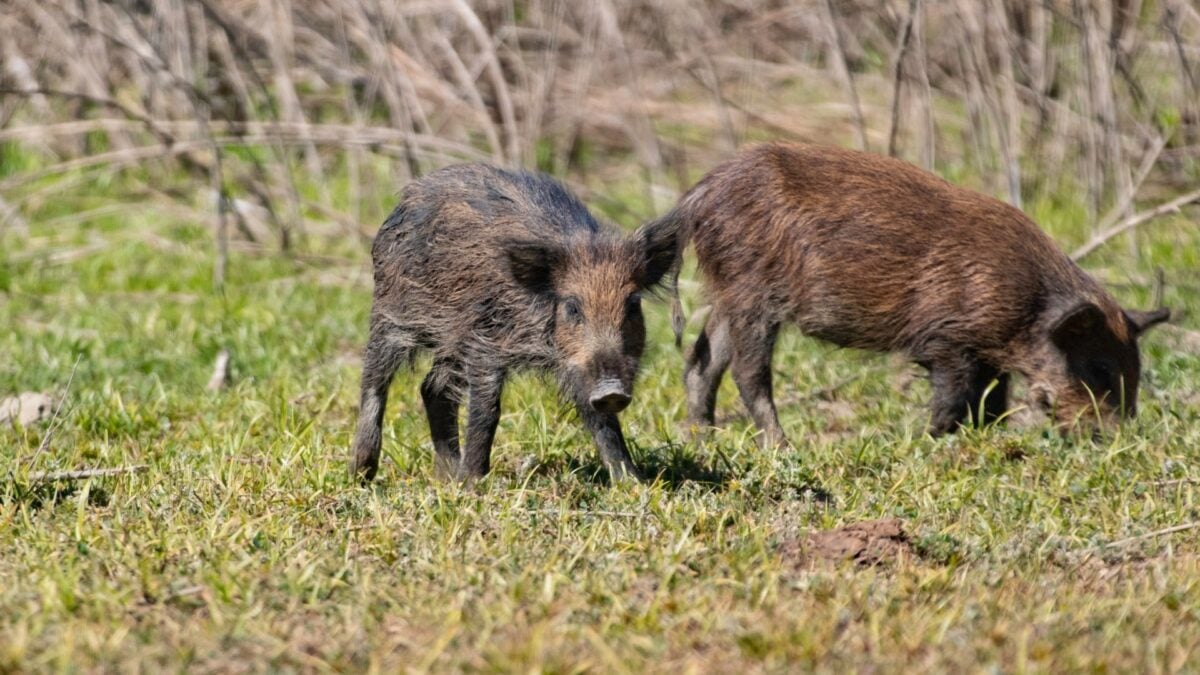
Unexpected exposure to rodenticide is turning California’s wild pigs blue, state authorities say.
“I’m not talking about a little blue,” Dan Burton, owner of a wildlife control company in Salinas, California, told The Los Angeles Times. “I’m talking about neon blue, blueberry blue.”
Burton was one of the first trappers to discover that local wild pigs had turned blue on the inside. A subsequent investigation by the California Department of Fish and Wildlife (CDFW) found that the pigs had consumed the anticoagulant rodenticide diphacinone, a poison used by farmers to control populations of unwanted rats, mice, squirrels, and other small animals. These substances often contain dye to identify them as poison, the CDFW reported, which likely explains how the pigs ended up with blue-colored muscle and fat.

Burton’s own investigations found that the poisoned pigs seemed to be frequenting squirrel bait stations, which local farmers were using to control the squirrel populations targeting their crops. However, since the poisoned bait had tiny doses of diphacinone, the pigs, despite turning blue, weren’t outwardly acting sick.
Eating animals poisoned by this rodenticide could result in secondary exposure to the poison, the CDFW said. As such, the agency is warning hunters to not consume any wild animals with signs of blue contamination and to report any sightings of such animals to officials. Overall, the agency advised hunters to exercise extra caution around areas with rat control programs, as it is also possible that exposed animals may not necessarily be blue.
“Hunters should be aware that the meat of game animals, such as wild pig, deer, bear and geese, might be contaminated if that game animal has been exposed to rodenticides,” said Ryan Bourbor, pesticide investigations coordinator at CDFW, in the statement.
This isn’t the first time that officials have identified wild pigs poisoned by rat poison. In 2018, a study by the CDFW found traces of rodenticide in about 8.3% of wild pigs spotted lurking around agricultural or residential areas with rat control programs. Other research from 2011 and 2023, respectively, found that cooking meat poisoned with diphacinone did not eliminate the contamination, and people and animals that consume the meat can exhibit signs of rodenticide poisoning, such as lethargy.
In 2024, California prohibited the use of diphacinone, with exceptions for specific instances at certified sites, as part of legislation meant to protect wildlife from unintentional poisoning. CDFW is asking anyone who encounters wild animals with blue fat or tissues to report their sightings to the agency at [email protected] or (916) 358-2790.


 English
 French
 Spanish
 Portuguese
 Deutsch
 Turkish
 Dutch
Dutch
 Italiano
 Russian
 Romaian
 Portuguese (Brazil)
 Greek
Greek