
Missouri Man Dies After Water Skiing Leads to Brain-Eating Amoeba Infection
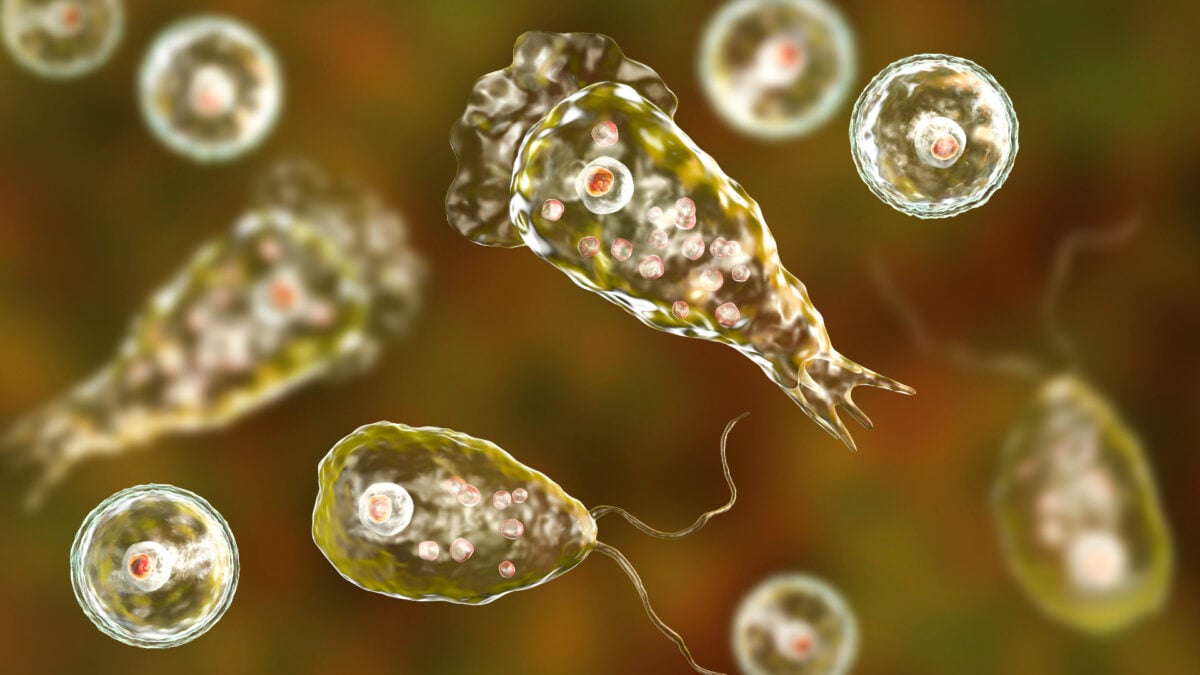
A Missouri man’s lake outing has ended in tragedy. Local health officials announced this week that a resident died from a rare but nearly always fatal brain amoeba infection likely caught while water skiing.
The Missouri Department of Health and Senior Services disclosed the resident’s death Wednesday, following its initial report of the case last week (though few details about the case were released, several outlets reported the resident was a man). Officials are still investigating the source of the resident’s exposure, but it’s known he had been water skiing at the Lake of the Ozarks days before becoming sick.
“DHSS regrets to confirm that the patient’s death occurred on Aug. 19 in a St. Louis area hospital. We extend our deepest condolences to the loved ones of the patient,” the agency stated.
Naegleria fowleri, the brain-eating amoeba
The man contracted an infection of Naegleria fowleri, a single-celled, shape-shifting amoeba that’s normally harmless. The freshwater and soil-loving protist typically only feeds on bacteria. And even when people ingest it accidentally by swallowing water, the amoeba doesn’t cause illness. But when it enters the body through the nose, it can cause a severe brain infection called primary amebic meningoencephalitis, or PAM.
Once inside the brain, the amoeba will replicate and literally feast on our cells. Both the infection itself and the intense immune response it triggers cause widespread damage. People may first experience symptoms like fever and nausea, followed quickly by complications like seizures, hallucinations, and coma. PAM has a mortality rate of 98%, and death usually occurs less than two weeks after the initial exposure.
As in this current case, most N. fowleri infections happen when people get water up their nose while swimming in natural warm freshwater environments like lakes. The amoeba is especially abundant in warmer temperatures during the summer. But people can also be infected by using tainted water for nasal irrigation (the amoeba can survive in drinking water systems).
A thankfully rare and preventable threat
Scary as these infections are, they remain incredibly rare. Between 1962 and 2024, there have only been 167 reported cases of PAM in the U.S., according to the Centers for Disease Control and Prevention. Of these, only four people survived.
Still, given the ubiquitous presence of these amoeba in the environment, it’s more than reasonable to take some proactive steps to prevent infection. The CDC recommends holding your nose or wearing a nose clip while diving into a body of freshwater, always keeping your head above when inside a hot spring, and only using boiled or distilled water for your nasal irrigations.


 English
 Arabic
 Spanish
 Portuguese
 Deutsch
 Turkish
 Dutch
Dutch
 Italiano
 Russian
 Romaian
 Portuguese (Brazil)
 Greek
Greek