
Tesla Isn't a Car Company Anymore
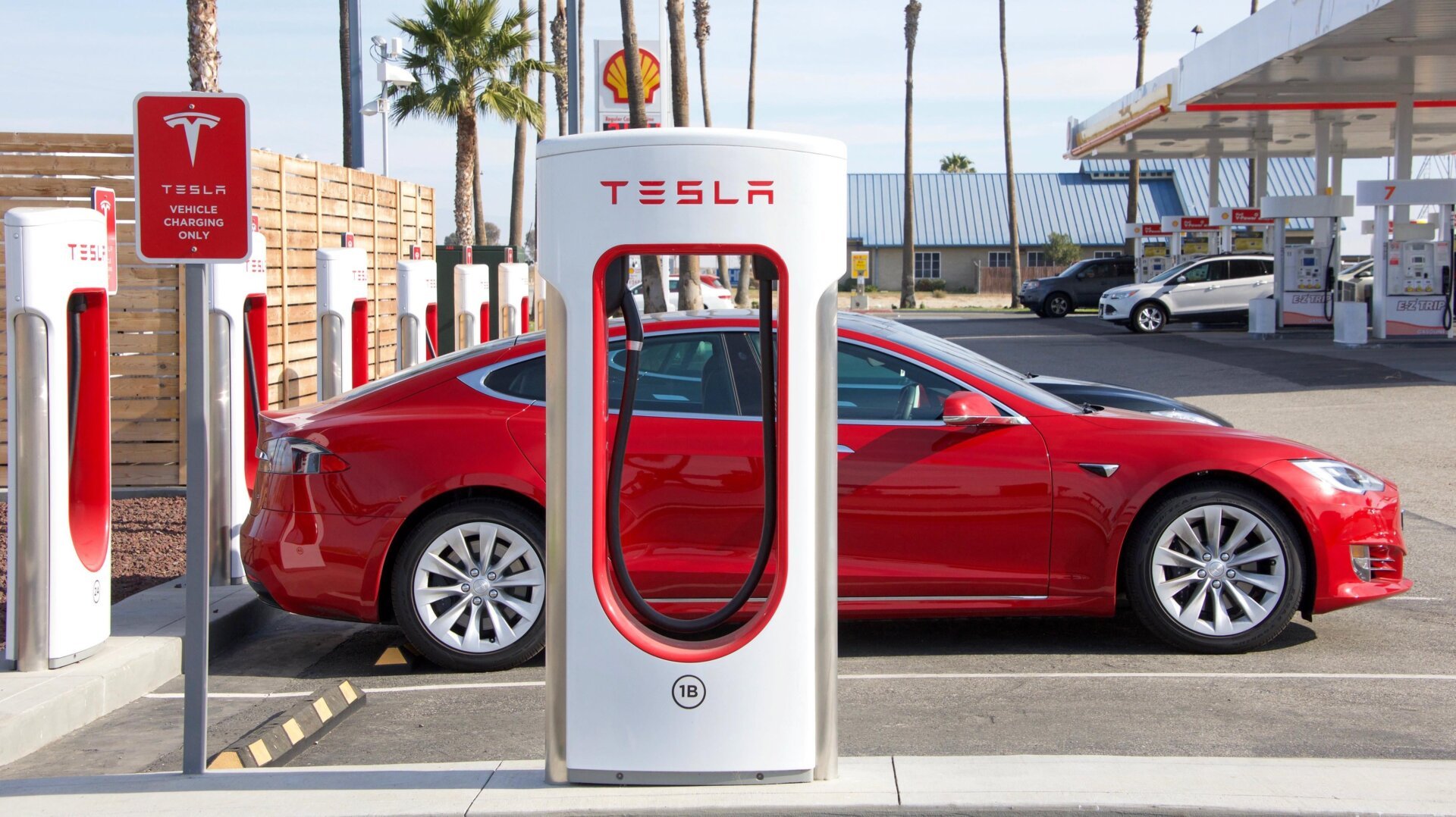
Tesla may be in trouble. Investors and fans will get a clearer picture this Wednesday, July 23, when Elon Musk’s carmaker publishes its second-quarter earnings. There is no doubt that the core business is facing significant headwinds. The electric vehicle pioneer is expected to post a 13 percent drop in revenue and a 25 percent plunge in earnings per share. But if you only listen to Musk on the earnings call, you might not even hear the word “car.”
Instead, expect a full-court press on robotaxis and artificial intelligence. Tesla recently launched a limited ride-hailing service in Austin, Texas, a move Musk is positioning as the first step toward delivering fully autonomous driving by the end of 2025. Analysts, investors, and the tech media are already spinning it as a breakthrough.
But the numbers tell a different story. Tesla’s global vehicle sales fell more than 13 percent in Q2. The expiration of the federal $7,500 tax credit on September 30 looms large. The Trump administration’s new “One Big, Beautiful Bill” is killing off the regulatory credits and emissions loopholes that once funneled billions in free cash flow to Tesla. The company’s U.S. advantage is eroding, fast.
Analysts at Bank of America, Piper Sandler, and Wedbush are all lowering expectations, citing tariffs, disappointing deliveries, and the end of EV subsidies as major headwinds. While Tesla will still make money from regulatory credits this year, that income stream is shrinking. Without government support or a serious rebound in demand, it is unclear what is left to support the company’s massive valuation, besides AI hype.
The disconnect between Tesla’s performance and its perception is stark. Bank of America analysts recently noted that Q2 earnings are “likely to be challenged due to tariffs” and “disappointing deliveries.” It’s the kind of language that would typically send a stock tumbling. Instead, they raised their price target, citing a “more positive note”: the launch of a limited robotaxi service in Austin. That small-scale test, they wrote, gives them more confidence in Musk’s promise to deliver unsupervised full self-driving by the end of 2025.
This sentiment is echoed across the financial world. The conversation is no longer about vehicle margins or delivery numbers. Instead, as Wedbush analyst Dan Ives puts it, Tesla’s AI initiatives will be “front and center for investors.” The earnings call will be scrutinized not for details on the Model Y refresh, but for any insight into Tesla’s investment in Musk’s other venture, xAI, and progress on the autonomous front.
The quiet part Tesla doesn’t want to say out loud is this: the EV market in the U.S. is cooling. Prices are too high, charging infrastructure is still lacking, and consumer anxiety is rising. Furthermore, Musk’s close alliance with the Trump administration has turned off many of the progressive buyers who once drove demand.
So now, the company is trying to shift its story from selling EVs to selling software; from cars to autonomy; from hardware to hope.
Tesla’s valuation is still propped up by belief. The belief that full self-driving is right around the corner. That robotaxis will scale quickly. That Musk can deliver on promises where other automakers and AI labs have failed. But belief is not revenue, and at some point, the fundamentals have to matter.
On Wednesday’s earnings call, you will hear about vision-only autonomy, FSD timelines, and “the future of mobility.” You might not hear as much about declining sales, missed delivery targets, or shrinking margins. Investors should listen for what Tesla avoids as much as what it says. Musk will likely reiterate his belief that Tesla will achieve unsupervised full self-driving by the end of 2025.
The tech mogul may also use the call to link Tesla more closely to xAI, the startup he founded as a rival to OpenAI. There is growing speculation that Tesla’s infrastructure, data, and talent could be used to power xAI’s development. That narrative plays well with tech investors and distracts from falling EV demand. But hope does not pay the bills. If the robotaxi project stumbles, or if consumers simply lose interest, Tesla may have little left to fall back on.
The question now is not whether robotaxis will arrive, but whether they can arrive fast enough to save Tesla’s struggling EV business. What made Tesla successful in the past was a combination of timing, subsidies, and an early-mover advantage. All of those are fading. The company’s new advantage is narrative control.
The car business is real. The problems are real. The earnings will tell that story. But does anyone still want to hear it?


 English
 Arabic
 French
 Spanish
 Portuguese
 Deutsch
 Turkish
 Dutch
Dutch
 Italiano
 Russian
 Romaian
 Portuguese (Brazil)