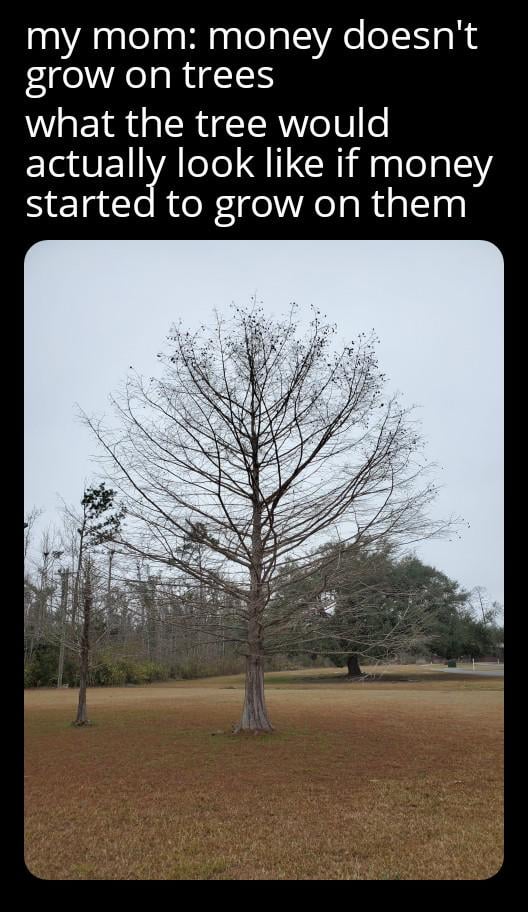
• Deforestation would get on all time high
    Deforestation would get on all time high
    Like
    Love
    Wow
    3
    0 Kommentare 0 Geteilt 3KB Ansichten 0 Bewertungen
  • You can’t make this up. In an act that environmentalists are calling peak irony, Brazil has bulldozed 8 miles of the Amazon rainforest—arguably the planet’s most vital carbon sink—to pave the way for a highway leading to COP30, the world’s largest climate summit. Officials claim the road was part of a pre-approved infrastructure project, but satellite data shows deforestation in May skyrocketed by 92% compared to the same period last year.

    Critics are slamming the move as greenwashing on a global stage. Not only does it send the wrong message about Brazil’s climate priorities, but experts also warn it could accelerate illegal logging, fragment habitats, and worsen fire risks across the Amazon basin. The big question: are we really serious about climate action—or just staging it for the cameras?

    #AmazonRainforest #ClimateSummit #Deforestation #Greenwashing #Brazil
    You can’t make this up. In an act that environmentalists are calling peak irony, Brazil has bulldozed 8 miles of the Amazon rainforest—arguably the planet’s most vital carbon sink—to pave the way for a highway leading to COP30, the world’s largest climate summit. Officials claim the road was part of a pre-approved infrastructure project, but satellite data shows deforestation in May skyrocketed by 92% compared to the same period last year. Critics are slamming the move as greenwashing on a global stage. Not only does it send the wrong message about Brazil’s climate priorities, but experts also warn it could accelerate illegal logging, fragment habitats, and worsen fire risks across the Amazon basin. The big question: are we really serious about climate action—or just staging it for the cameras? #AmazonRainforest #ClimateSummit #Deforestation #Greenwashing #Brazil
    Like
    Love
    Wow
    3
    0 Kommentare 0 Geteilt 47KB Ansichten 0 Bewertungen
  • This inspiring story is about Pamela Gale Malhotra and her husband Anil Malhotra, founders of the Sai Sanctuary Trust in Kodagu (Coorg), Karnataka, India.

    In 1991, the couple began purchasing degraded and abandoned farmland with the aim of restoring the native ecosystem.

    Over more than two decades, they successfully reforested 300 acres, converting it into a thriving private wildlife sanctuary.

    The area, once barren, now hosts:

    Over 200 species of wildlife, including elephants, tigers, leopards, and rare birds like the Malabar grey hornbill.

    Numerous species of medicinal plants, trees, and native flora.

    A healthy rainforest ecosystem with natural water sources restored.

    Their work is not just a testament to perseverance but also highlights the importance of rewilding and private conservation efforts in a country facing rapid deforestation and biodiversity loss.

    Their sanctuary plays a vital role in maintaining ecological balance in the Western Ghats, one of the world’s biodiversity hotspots.
    This inspiring story is about Pamela Gale Malhotra and her husband Anil Malhotra, founders of the Sai Sanctuary Trust in Kodagu (Coorg), Karnataka, India. In 1991, the couple began purchasing degraded and abandoned farmland with the aim of restoring the native ecosystem. Over more than two decades, they successfully reforested 300 acres, converting it into a thriving private wildlife sanctuary. The area, once barren, now hosts: Over 200 species of wildlife, including elephants, tigers, leopards, and rare birds like the Malabar grey hornbill. Numerous species of medicinal plants, trees, and native flora. A healthy rainforest ecosystem with natural water sources restored. Their work is not just a testament to perseverance but also highlights the importance of rewilding and private conservation efforts in a country facing rapid deforestation and biodiversity loss. Their sanctuary plays a vital role in maintaining ecological balance in the Western Ghats, one of the world’s biodiversity hotspots.
    Like
    Love
    Wow
    3
    0 Kommentare 0 Geteilt 42KB Ansichten 0 Bewertungen
  • Fireflies, known for their magical glow and ecological significance, are facing a dramatic global decline, and scientists warn that we could be the last generation to see them in the wild.

    This alarming trend is driven by a combination of light pollution, which interferes with their mating signals; habitat destruction due to urban development and deforestation; pesticide use, which kills both larvae and their prey; and climate change, which disrupts their life cycles and breeding patterns.

    Fireflies are especially vulnerable because many species have highly specific environmental needs—such as moist habitats and darkness—which are being rapidly erased by modern human activity.

    The decline of fireflies is not just a nostalgic loss but also an ecological warning.

    These insects are considered bioindicators, meaning their disappearance signals broader damage to ecosystems, including wetlands and forests. However, conservationists emphasize that extinction is not inevitable.

    Simple steps—like reducing outdoor lighting, preserving natural habitats, avoiding chemicals, and participating in citizen science projects such as Firefly Watch—can help protect remaining populations.

    The fate of fireflies rests in our hands, and acting now could ensure future generations still witness their light in the darkness.
    Fireflies, known for their magical glow and ecological significance, are facing a dramatic global decline, and scientists warn that we could be the last generation to see them in the wild. This alarming trend is driven by a combination of light pollution, which interferes with their mating signals; habitat destruction due to urban development and deforestation; pesticide use, which kills both larvae and their prey; and climate change, which disrupts their life cycles and breeding patterns. Fireflies are especially vulnerable because many species have highly specific environmental needs—such as moist habitats and darkness—which are being rapidly erased by modern human activity. The decline of fireflies is not just a nostalgic loss but also an ecological warning. These insects are considered bioindicators, meaning their disappearance signals broader damage to ecosystems, including wetlands and forests. However, conservationists emphasize that extinction is not inevitable. Simple steps—like reducing outdoor lighting, preserving natural habitats, avoiding chemicals, and participating in citizen science projects such as Firefly Watch—can help protect remaining populations. The fate of fireflies rests in our hands, and acting now could ensure future generations still witness their light in the darkness.
    Like
    Love
    Wow
    3
    0 Kommentare 0 Geteilt 35KB Ansichten 0 Bewertungen
  • Scientists at MIT, have developed a method to grow wood-like material in laboratories using plant cells, without cutting down trees.

    By culturing cells from plants like Zinnia elegans and using 3D bioprinting technology, they can produce small, customizable wooden structures in controlled conditions.

    These lab-grown wood blocks can be tailored in shape, size, and strength by adjusting hormones like auxin and cytokinin during the growth process.

    This technology could drastically reduce deforestation, minimize manufacturing waste, and allow for on-demand production of wooden items used in furniture, construction, and packaging.

    Although the process is not yet ready for mass industrial use, it represents a promising leap toward sustainable materials in the future.
    Scientists at MIT, have developed a method to grow wood-like material in laboratories using plant cells, without cutting down trees. By culturing cells from plants like Zinnia elegans and using 3D bioprinting technology, they can produce small, customizable wooden structures in controlled conditions. These lab-grown wood blocks can be tailored in shape, size, and strength by adjusting hormones like auxin and cytokinin during the growth process. This technology could drastically reduce deforestation, minimize manufacturing waste, and allow for on-demand production of wooden items used in furniture, construction, and packaging. Although the process is not yet ready for mass industrial use, it represents a promising leap toward sustainable materials in the future.
    Like
    Love
    Wow
    3
    0 Kommentare 0 Geteilt 30KB Ansichten 0 Bewertungen
  • A new study has shown that global mercury levels in rivers have increased two- to three-fold since around 1850, the onset of the Industrial Revolution.

    Mercury, particularly in its organic form (methylmercury), is a powerful neurotoxin that primarily threatens human health through contaminated fish consumption.

    Rivers, which play a vital role in providing drinking water and food and in transporting nutrients to the ocean, have become significant conduits for mercury pollution.

    Using a global model, researchers estimated that rivers carried about 390 megagrams (metric tons) of mercury to the oceans annually in preindustrial times.

    This baseline serves as a critical reference point to understand human-induced changes. In present-day conditions, that number has more than doubled, largely due to mercury emissions from coal burning, gold mining, industrial processes, and deforestation.

    The study also emphasizes that mercury concentrations in rivers respond quickly to human activities, making them useful indicators for tracking pollution control measures.

    By understanding these patterns and comparing them over time, policymakers can better design and evaluate environmental regulations aimed at reducing mercury pollution.

    These findings align with existing research by institutions like the UNEP Global Mercury Assessment and efforts under the Minamata Convention on Mercury, which aim to reduce global mercury emissions.

    However, this study adds value by quantifying the historical and present-day riverine mercury flux, offering a global baseline for restoration and policy goals.
    A new study has shown that global mercury levels in rivers have increased two- to three-fold since around 1850, the onset of the Industrial Revolution. Mercury, particularly in its organic form (methylmercury), is a powerful neurotoxin that primarily threatens human health through contaminated fish consumption. Rivers, which play a vital role in providing drinking water and food and in transporting nutrients to the ocean, have become significant conduits for mercury pollution. Using a global model, researchers estimated that rivers carried about 390 megagrams (metric tons) of mercury to the oceans annually in preindustrial times. This baseline serves as a critical reference point to understand human-induced changes. In present-day conditions, that number has more than doubled, largely due to mercury emissions from coal burning, gold mining, industrial processes, and deforestation. The study also emphasizes that mercury concentrations in rivers respond quickly to human activities, making them useful indicators for tracking pollution control measures. By understanding these patterns and comparing them over time, policymakers can better design and evaluate environmental regulations aimed at reducing mercury pollution. These findings align with existing research by institutions like the UNEP Global Mercury Assessment and efforts under the Minamata Convention on Mercury, which aim to reduce global mercury emissions. However, this study adds value by quantifying the historical and present-day riverine mercury flux, offering a global baseline for restoration and policy goals.
    Like
    Love
    Wow
    3
    0 Kommentare 0 Geteilt 33KB Ansichten 0 Bewertungen
  • In an ambitious leap toward eco-restoration, Japan has unveiled AI-powered drones capable of planting forests up to 10 times faster than traditional methods. These drones are equipped with LiDAR mapping, terrain analytics, and autonomous flight systems, allowing them to identify ideal planting spots and launch biodegradable seed pods with pinpoint precision. Each pod contains pre-selected native seeds, nutrients, and fungal spores to support early growth—even in harsh or degraded environments.

    Developed by Kyoto-based engineers, this swarm-based system is powered by solar-charged batteries and has shown an impressive 80% germination success rate in early trials. With each drone planting hundreds of pods per mission, entire football-field-sized plots can be reforested in under an hour. This innovation could be a game-changer for combatting deforestation, restoring biodiversity, and offsetting carbon emissions—proving once again that the fusion of AI and environmental science can rewrite the future of the planet.

    #ReforestationTech #AIDrones #EcoInnovation #GreenTechnology
    #SustainableForestry
    In an ambitious leap toward eco-restoration, Japan has unveiled AI-powered drones capable of planting forests up to 10 times faster than traditional methods. These drones are equipped with LiDAR mapping, terrain analytics, and autonomous flight systems, allowing them to identify ideal planting spots and launch biodegradable seed pods with pinpoint precision. Each pod contains pre-selected native seeds, nutrients, and fungal spores to support early growth—even in harsh or degraded environments. Developed by Kyoto-based engineers, this swarm-based system is powered by solar-charged batteries and has shown an impressive 80% germination success rate in early trials. With each drone planting hundreds of pods per mission, entire football-field-sized plots can be reforested in under an hour. This innovation could be a game-changer for combatting deforestation, restoring biodiversity, and offsetting carbon emissions—proving once again that the fusion of AI and environmental science can rewrite the future of the planet. #ReforestationTech #AIDrones #EcoInnovation #GreenTechnology #SustainableForestry
    0 Kommentare 0 Geteilt 38KB Ansichten 0 Bewertungen
  • Hemp is a highly efficient and sustainable crop for paper production.

    Just one acre of hemp grown in a single season can produce as much paper as four acres of trees.

    Unlike trees that take decades to mature, hemp grows in just a few months and contains more cellulose, which is essential for making paper.

    It also requires fewer chemicals to process and regenerates quickly, making it an eco-friendly alternative.

    While current costs and infrastructure favor tree-based paper, hemp holds great potential for reducing deforestation and improving sustainability in the future.
    Hemp is a highly efficient and sustainable crop for paper production. Just one acre of hemp grown in a single season can produce as much paper as four acres of trees. Unlike trees that take decades to mature, hemp grows in just a few months and contains more cellulose, which is essential for making paper. It also requires fewer chemicals to process and regenerates quickly, making it an eco-friendly alternative. While current costs and infrastructure favor tree-based paper, hemp holds great potential for reducing deforestation and improving sustainability in the future.
    0 Kommentare 0 Geteilt 20KB Ansichten 0 Bewertungen
  • In the face of rising deforestation and climate threats, Japan is deploying cutting-edge autonomous drones to replant forests faster, smarter, and more sustainably than ever before. Equipped with AI, LiDAR, and precision-mapping software, these drones scan the terrain, identify optimal planting spots, and drop biodegradable seed pods—each containing native seeds, nutrients, and fungi to kickstart an entire ecosystem.

    Each drone can cover a football field in under an hour and operates in coordinated swarms powered by solar-charging stations. In early tests across the wildfire-ravaged Kumamoto region, they achieved an 80% germination success rate—transforming barren landscapes into thriving, biodiverse environments.

    This isn’t just about trees. It’s about restoring life, capturing carbon, and proving how technology can work hand-in-hand with nature.

    #Reforestation #JapanTech #AIForGood #EcoInnovation #SustainableFuture #DronesForForests #GreenTechnology
    In the face of rising deforestation and climate threats, Japan is deploying cutting-edge autonomous drones to replant forests faster, smarter, and more sustainably than ever before. Equipped with AI, LiDAR, and precision-mapping software, these drones scan the terrain, identify optimal planting spots, and drop biodegradable seed pods—each containing native seeds, nutrients, and fungi to kickstart an entire ecosystem. Each drone can cover a football field in under an hour and operates in coordinated swarms powered by solar-charging stations. In early tests across the wildfire-ravaged Kumamoto region, they achieved an 80% germination success rate—transforming barren landscapes into thriving, biodiverse environments. This isn’t just about trees. It’s about restoring life, capturing carbon, and proving how technology can work hand-in-hand with nature. #Reforestation #JapanTech #AIForGood #EcoInnovation #SustainableFuture #DronesForForests #GreenTechnology
    0 Kommentare 0 Geteilt 33KB Ansichten 0 Bewertungen
  • Japan has begun deploying AI-powered drones to accelerate reforestation efforts, particularly in areas affected by wildfires and deforestation.

    These drones are equipped with LiDAR (Light Detection and Ranging) and AI mapping systems that allow them to scan landscapes in real-time, identifying the most fertile locations based on soil quality, moisture levels, and terrain features.

    Once optimal spots are located, the drones release biodegradable seed pods that contain not just seeds, but also essential nutrients and symbiotic fungi (mycorrhizae) to help plants thrive.

    This method is reportedly up to 10 times faster than traditional manual planting, with each drone capable of planting over 300 pods per flight and covering the area of a football field in under an hour.

    Furthermore, the drones operate in swarms and can recharge using solar-powered stations, making them a scalable and eco-friendly solution for reforestation.

    Initial tests in places like Kumamoto, Japan, have demonstrated over 80% seed germination rates, indicating both efficiency and ecological viability.

    This technology, developed by engineers in Kyoto, reflects a growing global interest in automated ecological restoration, blending robotics, AI, and sustainability.

    Japan has begun deploying AI-powered drones to accelerate reforestation efforts, particularly in areas affected by wildfires and deforestation. These drones are equipped with LiDAR (Light Detection and Ranging) and AI mapping systems that allow them to scan landscapes in real-time, identifying the most fertile locations based on soil quality, moisture levels, and terrain features. Once optimal spots are located, the drones release biodegradable seed pods that contain not just seeds, but also essential nutrients and symbiotic fungi (mycorrhizae) to help plants thrive. This method is reportedly up to 10 times faster than traditional manual planting, with each drone capable of planting over 300 pods per flight and covering the area of a football field in under an hour. Furthermore, the drones operate in swarms and can recharge using solar-powered stations, making them a scalable and eco-friendly solution for reforestation. Initial tests in places like Kumamoto, Japan, have demonstrated over 80% seed germination rates, indicating both efficiency and ecological viability. This technology, developed by engineers in Kyoto, reflects a growing global interest in automated ecological restoration, blending robotics, AI, and sustainability.
    0 Kommentare 0 Geteilt 17KB Ansichten 0 Bewertungen